Chosen theme: Creating a Seasonal Gardening Calendar for Temperate Climates. Welcome to a practical, inspiring guide for mapping your year in the garden, anchored by frost dates, microclimates, and plant rhythms. Follow along, subscribe for timely reminders, and share your regional tips.
Consult your local extension service or meteorological data to find 10-year average frost dates. Add a one to two week buffer for safety. This anchors sowing, transplanting, and protection windows across your entire calendar.
For tomatoes, peppers, and brassicas, count back from last frost by four to eight weeks. Record germination times and preferred temperatures. Schedule weekly checks so seedlings do not outgrow cells before outdoor conditions stabilize.
02
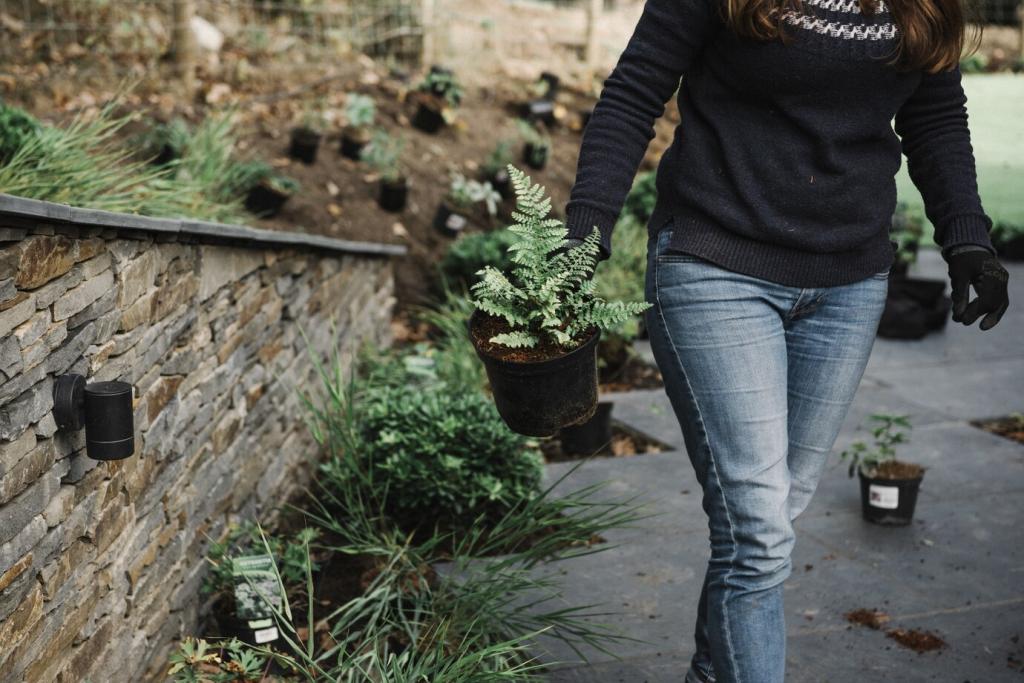
Plan seven to ten days for hardening off. Move trays from bright shade to gentle morning sun, then longer exposures. Schedule transplanting after soil reaches target temperatures and overnight lows reliably exceed the crop’s tolerance.
03
On your calendar, flag likely cold snaps around late spring fronts. Stage row covers, cloches, and cold frames. A quick text alert or reminder can save tomatoes, basil, and cucumbers when clear skies and radiational cooling threaten.
Summer: Succession Planting and Water-Wise Care
Plan lettuce, bush beans, and carrots in two to three week intervals to avoid feast-or-famine harvests. Pencil reminders to clear spent crops promptly, refresh soil with compost, and replant without losing valuable growing days.
Mark a mulching date after soil warms to lock in moisture. Schedule deep, infrequent watering sessions early morning. Track weekly rainfall, adjusting irrigation when thunderstorms or drought tilt the balance in temperate summer swings.
Set calendar alerts for peak pest windows like cabbage moth flights and aphid surges. During heat waves, prioritize shade cloth, midday checks, and mulch top-ups. Record observations to predict patterns and refine next year’s timing.
Count Back for Fall Crops
For broccoli, kale, spinach, and radishes, count back from first frost using days to maturity adjusted for slower autumn growth. Add one to two extra weeks. Schedule protective hoops to extend harvests well past early frosts.
Cover Crop Timing and Choices
Note sowing windows for winter rye, crimson clover, or oats after summer crops finish. Cover crops protect soil, capture nutrients, and suppress weeds. Your calendar should match species to local frost patterns and termination plans.
Curing and Storing the Bounty
Block time for curing onions, garlic, pumpkins, and winter squash. Record target temperatures and humidity levels. A simple checklist ensures each crop moves from harvest to curing to storage with minimal spoilage and maximum flavor.
Winter: Rest, Repair, and Strategic Planning
Set a winter date to tally what thrived and what stalled. Compare sowing dates, weather notes, and yields. Capture lessons while memories are fresh, then translate insights into concrete changes on next year’s calendar.
Winter: Rest, Repair, and Strategic Planning
Schedule sharpening, oiling, and repairs. Map bed rotations to reduce disease pressure. Note compost turn dates and leaf mold piles. These small winter rituals make spring tasks lighter and your seasonal plan more reliable.
Schedule dormant pruning for apples and pears, post-bloom pruning for spring-flowering shrubs, and summer thinning for vigor. Note exceptions to protect next year’s buds. Timely pruning safeguards structure, fruiting, and plant health.
Mark windows to divide irises, daylilies, and hostas. Note rainfall patterns to time moves with cool, moist weather. This keeps perennial beds vigorous and makes space for annual rotations without losing valuable planting weeks.
Plan a sequence of nectar and pollen from early spring bulbs to late asters. Add reminders for water sources and habitat. Your calendar becomes a living contract with bees, butterflies, and beneficial insects throughout temperate seasons.