Chosen theme: Optimizing Your Garden: Monthly To-Do List for Temperate Areas. Welcome to a friendly, practical roadmap that helps you tune your garden to the rhythms of the seasons. From frost-wary springs to glowing autumns, we share what to do, when to do it, and why it matters. Join in, subscribe for reminder checklists, and tell us which month challenges you most in your zone.

January: Vision, Soil Wisdom, and Thoughtful Plans

Walk your garden on bright and overcast days to note warm walls, windy corners, and shady pockets. These microclimates guide where cool lettuces thrive and heat-loving tomatoes bask. Share your observations and we will help you refine placements.

January: Vision, Soil Wisdom, and Thoughtful Plans

Send a soil sample to your local extension or use a reliable kit. Note pH, organic matter, and nutrients. From those numbers, schedule compost additions, lime, or sulfur. Comment with results, and we can suggest an actionable amendment timeline.

January: Vision, Soil Wisdom, and Thoughtful Plans

Spread out your seed packets, check dates, and sprout tests. Prioritize resilient, region-proven varieties. Build a wishlist, but match it to bed space and sun hours. Subscribe to receive our printable tracker and avoid impulsive, mismatched purchases.

January: Vision, Soil Wisdom, and Thoughtful Plans

Lorem ipsum dolor sit amet, consectetur adipiscing elit. Ut elit tellus, luctus nec ullamcorper mattis, pulvinar dapibus leo.
February: Tools, Early Starts, and Pest Prevention

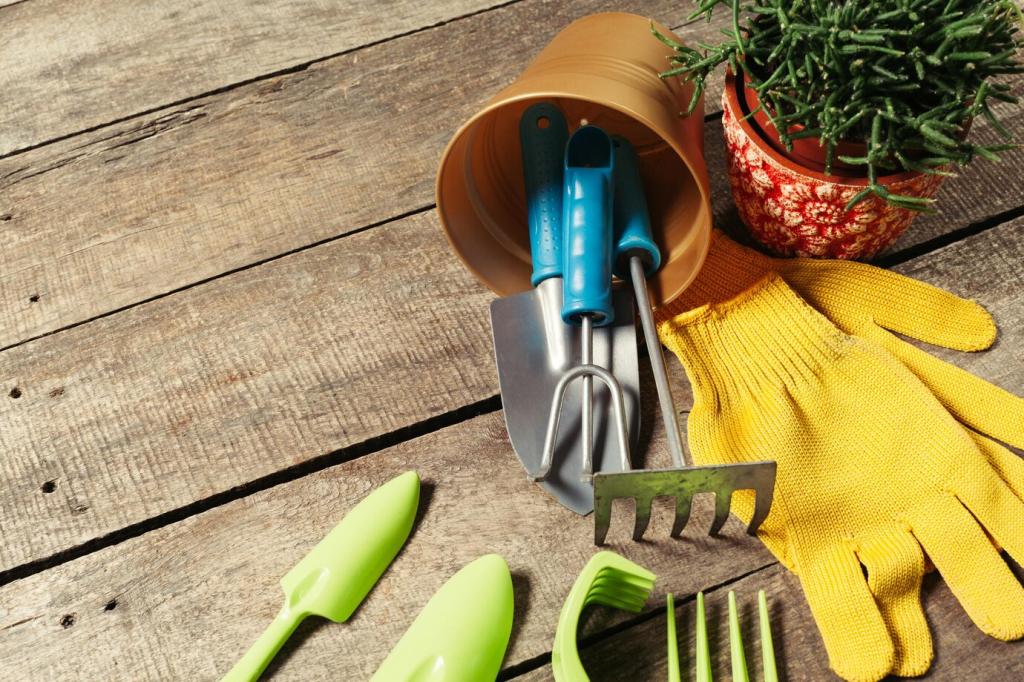
Pruners, hoes, and spades work like old friends after a winter tune-up. Remove rust, sharpen edges, and oil hinges. Label tools with bright tape so nothing disappears during spring rush. Tell us your favorite sharpening trick for stubborn blades.

February: Tools, Early Starts, and Pest Prevention

Sow brassicas, onions, and hardy greens under lights, keeping seedlings close to prevent legginess. Use a fan for airflow and stronger stems. Track germination dates in a notebook, and share photos with your setup to encourage fellow growers.

Prune and Tidy Before Growth Surges

Prune fruit trees while buds swell but before blossoms open, avoiding spring-blooming shrubs that flower on old wood. Edge beds, remove winter debris, and fluff mulch. Share before-and-after photos and inspire someone else’s first tidy Saturday.

Direct-Sow Hardy Favorites

Peas, spinach, radishes, and mache jump at the chance to germinate in cool soil. Broadfork or lightly loosen soil, then sow generously. Record soil temperature, and tell us how you stagger sowings to ensure steady harvests.

Compost and Mulch for a Strong Start

Spread a gentle layer of screened compost around perennials and beds. Refresh mulch to suppress weeds while allowing soil to warm. Ask questions about mulch types in comments, and we will match materials to your moisture and weed pressure.

April: Transplant Hardy Plants and Guard Against Frost

Brassicas, calendula, and pansies handle brisk nights if hardened off. Plant on an overcast day, water deeply, and tuck in with light mulch. Share your hardening-off schedule so others can avoid sunscalded seedlings.

April: Transplant Hardy Plants and Guard Against Frost

Stagger plantings of lettuce and radishes every 10 to 14 days. A simple calendar reminder yields continuous harvests instead of boom-and-bust. Subscribe to get our succession planner and reduce gaps on your dinner plate.

May: Balanced Growth, Beneficial Insects, and Water Wisdom

Flip leaves, look for eggs, and welcome lady beetles, lacewings, and hoverflies. Plant alyssum and dill to host helpers. Share photos of garden allies and we will help identify who is feasting on aphids for you.

May: Balanced Growth, Beneficial Insects, and Water Wisdom

Install drip or soaker hoses to target roots while keeping foliage dry. Mulch with straw, leaves, or chips to stabilize moisture and reduce weeds. Comment with your watering schedule, and we will tailor adjustments for your soil texture.

June: Feed, Weed, and Harvest the First Wins

Water Deeply and Monitor Mulch

Aim for deep, infrequent watering to train resilient roots. Lift mulch occasionally to check moisture and soil life. If heat rises, add a fresh layer. Tell us how often your beds dry, and we will help fine-tune frequency.

Side-Dress and Foliar-Feed Thoughtfully

Side-dress heavy feeders like tomatoes with compost, then consider a gentle seaweed or fish emulsion foliar feed in the evening. Track responses. Comment with your go-to organic feed and how your plants signal hunger.

Harvest Early Crops with Care

Pick peas young and crisp, cut lettuce in the cool morning, and refrigerate promptly. Share a favorite early-harvest recipe, and tag us so we can feature your seasonal plate and cheer your wins.

Shade and Midday Mercy

Use 30 to 40 percent shade cloth for lettuces and greens, and water at dawn. Morning thoroughness beats stressed, evening splashing. Share your shade setup and microclimate tricks to help others beat the heat.

Deadhead, Prune, and Keep Airflow Strong

Remove spent blooms to extend flowering, thin congested stems, and tie back vigorous vines. Airy canopies deter disease during humid spells. Tell us which plant outgrew expectations this year, and how you reined it in kindly.

September–October: Fall Abundance and Spring Readiness

Sow spinach, arugula, and Asian greens for crisp days. Seed rye, oats, or crimson clover to protect and enrich soil. Share your favorite cover-crop mix and we will discuss termination timing for smooth spring transitions.
Chop fallen leaves and layer with green trimmings for balanced compost. Stockpile extra leaves as future mulch. Comment with your bin setup, and we will help troubleshoot airflow, moisture, and temperature for steady decomposition.
Split crowded daylilies or hostas, and tuck in daffodils and tulips at the right depth. A neighbor once gifted bulbs that bloomed like sunshine in March. Share your bulb picks and anticipated color palette.

November–December: Tuck In, Repair, and Reflect

Protect Soil and Perennials

Cut back spent annuals, leave seed heads for birds where appropriate, and blanket beds with leaves or straw. Mark perennials and tender crowns. Tell us how you winterize, and we will share region-specific tweaks.

Clean, Store, and Label for Ease

Wash pots, coil hoses, drain irrigation lines, and store fertilizers dry. Label boxes clearly so March feels simple. Post your storage photos and we will feature clever space-saving ideas from the community.

Reflect, Celebrate, and Plan Small Experiments

Journal surprises, successes, and lessons learned. Choose one experiment for next year—new trellis, spacing, or variety trial. Subscribe for our experimental plot template and share your idea to spark collective curiosity.
Gensarena
Privacy Overview

This website uses cookies so that we can provide you with the best user experience possible. Cookie information is stored in your browser and performs functions such as recognising you when you return to our website and helping our team to understand which sections of the website you find most interesting and useful.