Chosen theme: Temperate Climate Gardening: Month-by-Month Tasks. Welcome to a gardener’s roadmap that follows the seasons with confidence, curiosity, and heart. We’ll plan, plant, tend, and harvest together—month by month—while inviting your stories, tips, and questions along the way.
Map Your Year: Frost Dates, Zones, and a Month-by-Month Plan
Start with your USDA or local hardiness zone and learn your average last spring and first autumn frost dates. Use them to anchor sowing and transplant windows, and adjust for your microclimate. Share your dates in the comments so we can tailor reminders together.
Map Your Year: Frost Dates, Zones, and a Month-by-Month Plan
Keep notes on what you plant, when, and how it performs. You’ll spot patterns, like slugs after three rainy Junes or peas that love a cooler April. Subscribe for monthly prompts to keep journaling easy, useful, and genuinely fun instead of another task.
Winter to Early Spring (Jan–Mar): Foundations and Early Starts
January: Plan, Order Seeds, and Show Tools Some Love
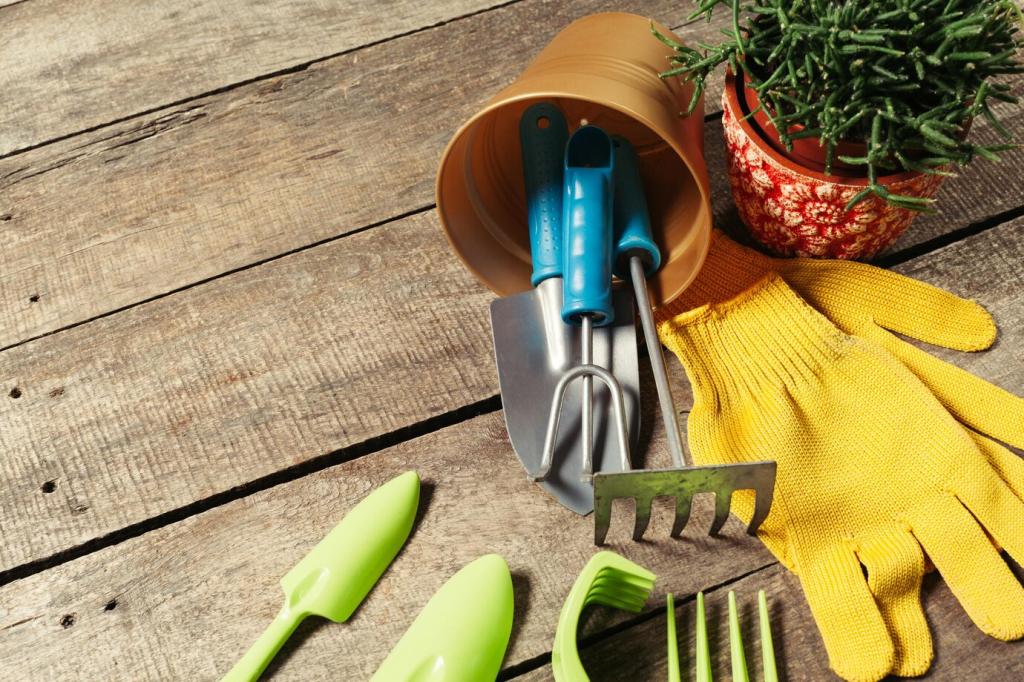
Sketch beds, rotate crops, and order seeds before favorite varieties sell out. Test older packets with a quick germination check. Sharpen pruners, oil wooden handles, and label bins. Comment with your seed wishlist, and we’ll share a printable checklist in next month’s update.
February: Start Cool-Season Seeds and Prune Dormant Wood
Begin onions, leeks, brassicas, and hardy herbs under lights. Prune apples, pears, and currants while structure is visible, avoiding bird nests. A crisp morning spent pruning teaches patience and form. What late-winter task grounds you most? Share your ritual to inspire others.
March: Soil Prep, Peas in the Ground, and Cold Frames Alive
As soil thaws and becomes workable, add compost and check drainage. Many sow peas around St. Patrick’s Day, depending on moisture and soil temperature. Refresh cold frames with salad mixes and spinach. Tell us your favorite early varieties so we can trial them together.
Mid to Late Spring (Apr–May): Transitions and Transplants
April: Harden Off, Succession Sow, and Thin Courageously
Gradually introduce seedlings to wind, sun, and cooler nights over a week. Sow lettuce, radishes, and carrots in steady intervals for continuous harvests. Thin crowded seedlings without guilt. What’s your hardening-off routine? Post it so newcomers avoid that first-sun shock.
Late Frost Vigil: Row Covers and Quick Cloches
Keep fleece, clips, and hoops within arm’s reach. One surprising frost nearly singed an entire squash row here—except the side we covered in time. Vent covers during warm days and secure edges against wind. Got a cover hack? Leave it for fellow night watchers.
May: Warm-Season Planting, After the Soil Truly Warms
Wait for soil to hit at least 60°F for tomatoes and 65°F for peppers and squash. A neighbor’s rule—plant tomatoes when oak leaves are squirrel-ear sized—has saved many seasons. Mulch immediately to lock moisture and discourage weeds. Share your go-to warmth cues.
Lay two to three inches of mulch to stabilize moisture and temperature. Stake tomatoes and tall flowers before storms test them. Weed seedlings when they are almost invisible. Try a ten-minute evening walkthrough; it solves small problems before they become weekend emergencies.
September: Harvest, Seed Saving, and Second Chances
Pick regularly to keep plants producing. Tag your healthiest selections for seed saving and dry them thoroughly. Direct sow another round of spinach and cilantro in cooling beds. Share your seed-saving wins so we can build a community library of reliable, locally adapted varieties.
October: Compost, Cover Crops, and Garlic in the Ground
Chop residues and layer greens with browns for a hot compost start. Sow cover crops like crimson clover or winter rye to protect and enrich soil. Plant garlic four to six weeks before freeze. I still remember mulching cloves with crispy leaves on a windy evening.
November: Bed Down, Tools Clean, and Wildlife Welcome
Top beds with shredded leaves, tuck perennials in, and secure tunnels if needed. Clean, dry, and oil metal tools, then condition handles with linseed oil. Leave some stems for overwintering pollinators. What’s your favorite overwintering trick? Add it so newcomers feel supported.
Stories, Lessons, and Community: Month-by-Month Momentum
The Midnight Frost Cloth Rescue
A freak May snap hit after sunset. By midnight, we had frost cloth flapping over beds, mugs of tea steaming in breathy air. The covered tomatoes bounced back; the uncovered sulked. Lesson learned: keep cloth and clips staged, not buried in the shed.
The Soil Thermometer Rule That Changed May
A neighbor swore by planting tomatoes only when soil held 60°F three mornings in a row. We waited one extra week, then planted, and our harvest actually arrived earlier. Sometimes patience beats impatience. What rule saved your season? Share it so we can all borrow wisely.