From frosty mornings to late-summer sunsets, this month-by-month guide keeps your temperate-climate garden thriving. Explore essential tasks, practical tips, and real stories that turn planning into produce—then subscribe and share your own seasonal wins and lessons.
Sketch your beds, map crop rotations, and build a sowing calendar around your last frost date. Note microclimates, shade shifts, and drainage quirks. Share your plan in the comments to get feedback from fellow temperate-climate gardeners.
Dormant Pruning and Hygiene
Prune apples, pears, and roses while sap is low, removing dead or crossing wood. Clear mummified fruit and cankered branches. A neighbor’s February pruning doubled his apple yield—proof that clean cuts and timing matter in cool, temperate winters.
Tools, Compost, and Wildlife Care
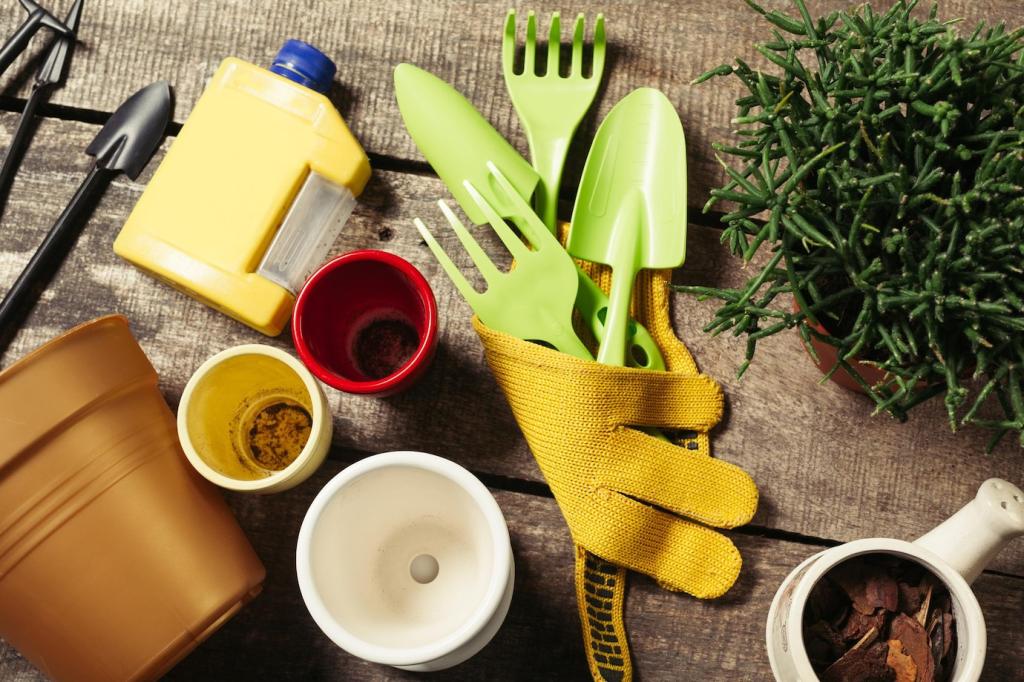
Sharpen pruners, oil wooden handles, and sanitize pots now. Turn compost if it’s not frozen; cover heaps to retain heat. Feed birds thoughtfully; fewer overwintering pests mean gentler summer management. Tell us which tool tune-ups save you the most time.
Warm the Soil and Tackle Weeds First
Lay black plastic or fleece to warm raised beds a week early. Hoe tiny weeds before they root deeply. A quick 10 minutes now saves hours later. Comment with your favorite early-season weed hacks for temperate gardens.
Sow Hardy Heroes and Shield From Frost
Direct-sow peas, spinach, radishes, and broad beans. Plant onion sets, shallots, and early potatoes. Keep row covers ready for surprise frosts. Cloches or fleece protect seedlings while letting light in, a crucial balance in fickle spring weather.
Watch Blossoms and Invite Pollinators
Late frosts can nip apricot or plum blossoms. Drape frost cloth on cold nights and add early flowers like hellebores or pulmonaria. Set shallow water for bees. Tell us which early bloomers your local pollinators can’t resist.
May–June: Frost Lines and Strong Starts
Transition seedlings outdoors gradually: shade first, then gentle sun and light wind. I once rushed tomatoes and scorched the leaves in a day. A simple weeklong schedule prevents shock, saves growth, and supports resilient, temperate-climate starts.
Resow lettuce, carrots, beets, and bush beans for steady harvests. Use shade cloth during scorching afternoons and mulch to preserve moisture. A friend’s mid-July carrot sowings outperformed spring by staying consistently cool and evenly watered.
Choose hardneck or softneck varieties suited to your climate. Plant cloves point-up, three inches deep, six inches apart, then mulch. My biggest heads came after a chilly October planting and consistent winter mulch—simple steps, big payoff.
November–December: Rest, Reflection, and Resilience
Protect Perennials and Infrastructure
Mulch crowns of tender perennials, wrap containers, drain hoses, and store irrigation parts. Low hoops and fleece buffer wind. Snow can insulate if it arrives gently. Share your favorite winterproofing trick to help neighbors weather extremes.
Record Wins, Rethink Misses, Order Early
Note varieties that shined or struggled, track planting dates, and refine rotations. Order seeds before peak rush to avoid sellouts. I once delayed and missed a beloved bean; now I preorder and sleep easier every December.
Learn Together and Stay Connected
Join local clubs, attend seed swaps, and swap cuttings. Ask questions in the comments, subscribe for monthly checklists, and request topics you need next year. Our temperate-garden community thrives when we trade stories as freely as seeds.